Keeping a Small Reading Notebook
A low-pressure notebook practice for remembering ideas, images and sentences after a book is closed.
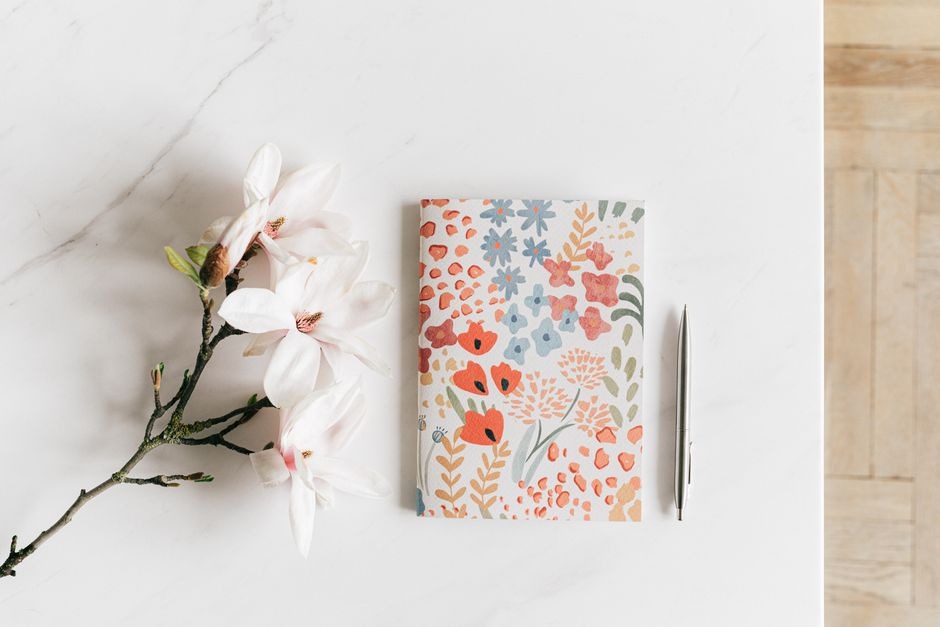
A reading notebook does not need to become a second project. Its job is simply to give a book somewhere to continue after you close it. One page per title is enough.
Write what stayed, not what happened
Skip the full summary. Note the scene you can still picture, a question the book raised, a detail about its structure, or a line you want to return to in your own words. A short note made from memory is often more revealing than a page of copied quotations.
Date the entry and add where you read most of the book — on a commute, at the kitchen table, during a trip. Those small circumstances become part of the reading history.
Let the notebook stay imperfect
Some books may get a page; others, three words. Leave blank space. Add arrows. Tape in a ticket or make a tiny sketch if it helps. The notebook becomes useful precisely because it is not a polished archive.
After a few months, read the notes rather than the books. Patterns will appear: subjects you return to, images that keep catching your attention, writers whose rhythms linger. That is the notebook doing its quiet work.