Windows, Wool, and Warmth: Four Simple Tasks to Shift Your Home for Shorter Days
A short, practical guide to small changes that make a home feel ready as daylight wanes and evenings grow longer.
There is a subtle moment each year when rooms begin to feel different: the late-afternoon light thins, the air takes on a cool edge, and familiar corners suddenly ask for a little more attention. Preparing for shorter days needn’t be dramatic. Small, deliberate adjustments around the house can change how a space feels and how you move through it. Below are four thematic tasks—each practical, low-cost, and suited to ordinary rhythms—that offer both comfort and quiet order as the season shifts.
1. Tidy and Treat the Windows
Windows are the first to tell you a room’s mood. Spend an afternoon focused on them and you’ll notice an immediate difference.
- Clean selectively. Wiping interior glass, dusting sills, and removing insect nests at the exterior corners brightens the view and improves light quality without a full deep clean.
- Check seals and draft paths. Feel for drafts along frames and beneath sills. A strip of weatherstripping or a draft snake at the base of a door is often all that’s needed to cut a persistent chill.
- Rethink window dressings. Swap sheer summer curtains for heavier linens or layered options—sheer paired with a heavier panel gives flexibility, letting you keep light during the day while adding warmth at night.
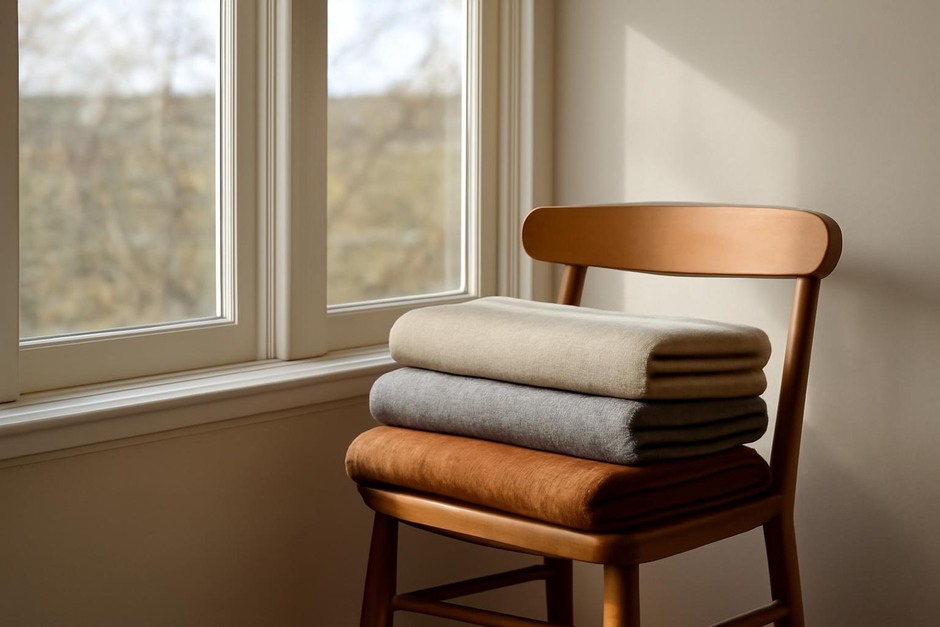
- Create a simple spot for catching late light. A small chair or stool near a sunlit window becomes a reading nook when paired with a folded throw and a place for a mug.
2. Rotate and Care for Textiles
Textiles are the easiest way to change a room’s temperature and tone. This doesn’t mean uprooting everything—think rotation and mindful care.
- Bring forward a few wool items. A blanket, a felted cushion, or a small wool rug does more than warm the feet; it signals a slower pace and a different rhythm of use.
- Air and repair before use. Brush or air out wool and heavier fabrics to refresh them. Minor mending—replacing a button, darning a small hole—keeps pieces usable and reduces waste.
- Layer rugs and runners. A thin runner beneath a heavier rug adds insulation on cold floors and creates a visual sense of coziness in hallways and entryways.
- Store summer pieces thoughtfully. Fold linens and light throws into breathable boxes or cotton bags and place them where you won’t mind accessing them again come spring.
3. Adjust Lighting with Intent
As daylight decreases, light sources do more than illuminate—they set the mood. A few small changes to lighting arrangements help rooms feel livable and calm.
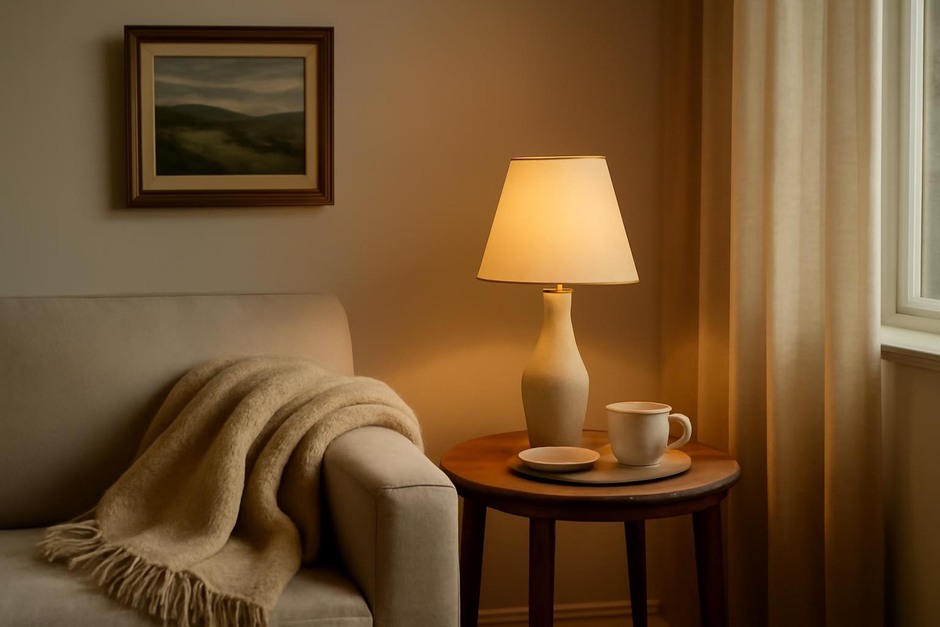
- Layer light. Combine overhead light with table lamps and a few well-placed floor lamps. This allows different parts of a room to be lit independently, matching the activity at hand.
- Choose warmer tones. If possible, swap in bulbs with a warmer color temperature for living spaces. The glow feels closer to candlelight and is generally more relaxing after dusk.
- Reserve bright task lighting. Keep a focused lamp for reading, sewing, or kitchen tasks rather than relying on one strong source to light the entire room.
- Introduce a candle ritual. A single evening candle—kept to short, mindful use—marks a shift from the day’s bustle and makes small gatherings feel deliberate.
4. Small Kitchen Rituals for Cooler Evenings
The kitchen is a natural anchor for seasonal change. Simple routines can make the space feel more reassuring as the weather cools.
- Keep a kettle or saucepan handy. A designated place on the stove for a kettle or a small pot makes it easier to brew tea or simmer spiced fruit without rummaging.
- Plan a few batch projects. Make a single-bowl batter, a tray of roasted vegetables, or a jar of infused syrup. These small acts produce extra meals and a sense of preparedness.
- Designate a warm-drink station. A tray with cups, a jar of herbs or tea, spoons, and a small jar of sweetener gives a ritual a physical home and reduces friction when you want comfort quickly.
- Keep everyday tools visible. A wooden spoon, a well-used knife, and a linen towel hung nearby make routine cooking feel easier and more intentional.
Measured Conclusion
The seasonal shift doesn’t require wholesale change—just a few intentional adjustments that alter how a house is used and felt. Focusing on windows, textiles, lighting, and simple kitchen habits creates a quieter, warmer cadence for shorter days. Each task is modest in scope but, when combined, they add up to a home that welcomes slower hours with small, well-made comforts.