A Gentle Evening Ritual for Shifting Seasons
A short guide to adjusting the living room and your evening habits as light and weather change, using small shifts in light, textiles, table habits, and objects to mark the season.
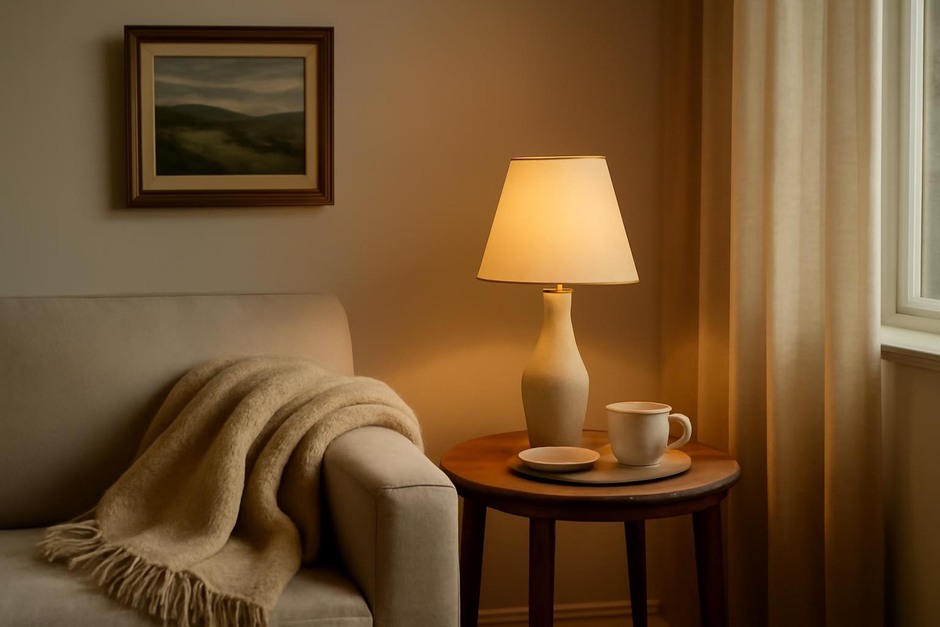
There is a particular quiet that arrives between the last of the bright afternoons and the first of nights that feel like they close earlier. The room seems to ask for smaller lamps, a warmer throw, a cup that fits better in the hands. A ritual doesn’t need to be elaborate — it only needs to be a conscious way of noticing the change and responding in a manner that suits how you spend your evenings at home.
Light and Air: Tune the Room’s Manner of Being
The most obvious signal of a season shifting is the light. Instead of waiting for a dramatic swap, tune the ambient light through intention:
- Move a lamp to where your eyes naturally land in the evening — not just near a chair, but positioned to read, to look out the window, or to illuminate a surface you use for tea and small tasks.
- Replace a bright overhead bulb with a lower-wattage bulb or a warmer color temperature. The goal is to create pockets of illumination rather than even brightness.
- Make moments for fresh air when it feels good: a short window-open pause while you stir something on the stove or step outside for a minute before coming back in. Even a brief exchange of air resets the room’s atmosphere.
Textiles and Tactile Layers: Build Comfort in Small Steps
Changing the textiles is a simple, tactile way to acknowledge the season. It needn’t mean a full swap of curtains and bedding — a few modest adjustments are often enough:
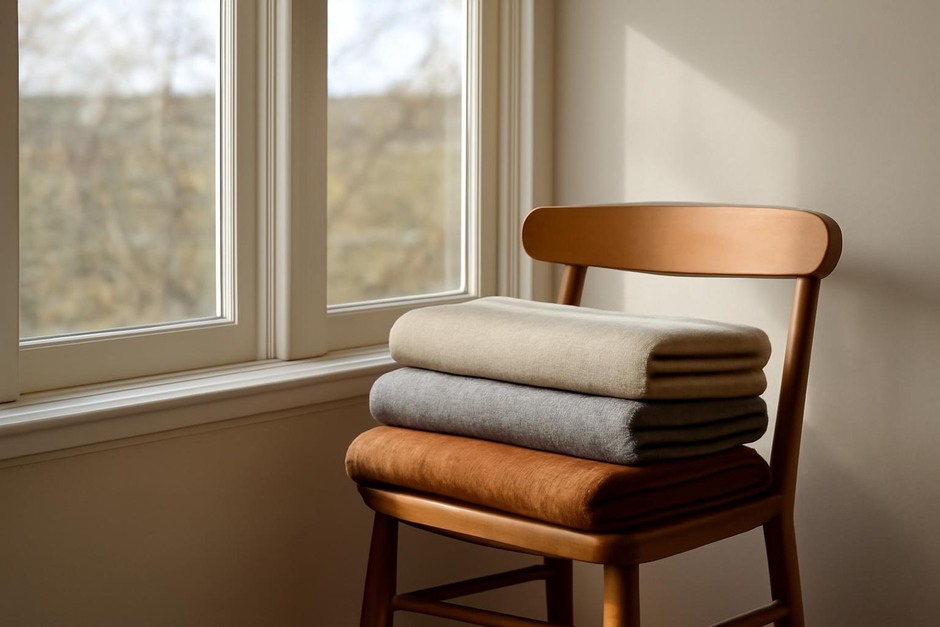
- Keep one throw easily reachable on an armchair and another folded on a sofa. Layering lets you add or remove warmth as the evening shifts.
- Introduce a small rug by the door or the bed in cooler months, or slide a trimmer runner along a frequently traveled path to catch cold floors.
- Rotate pillow covers to fabrics that feel seasonally appropriate: linen in late summer, a brushed cotton or wool blend as it cools. Clean and store the ones you won’t use in breathable bags, labeled so returning them becomes a ritual, not a chore.
The Table: Simple Bites, a Teacup, and a Small Tray
Evenings are often defined by what we put on the table. A compact habit around small food and drink can make the transition feel deliberate and pleasant:
- Designate a small tray for the evening: a cup, a jar of something pickled or dried, and a spoon. A tray collects crumbs and makes the ritual portable if you move between rooms.
- Keep a small reserve of easy, seasonally adapted snacks — a piece of cheese, a handful of nuts, or slices of apple — so that preparing an evening nibble is as simple as reaching for it.
- Choose a cup that feels good in your hand for the season. A heavier mug with a satin glaze will read as autumnal; a thinner cup feels lighter. Enjoying the warmth or coolness of a drink can anchor an otherwise hurried evening.
Objects That Anchor Time: Curate, Don’t Clutter
Objects mark moments. A few deliberate selections can make evenings more intentional without adding clutter:
- Return surfaces to a small number of meaningful items: a lamp, a plant or seasonal sprig, a current book or journal, and the tray mentioned above. Fewer things make it easier to notice each one.
- Keep a single notebook and a pen near your chair to capture a phrase, a list, or a small drawing. Writing by hand creates a pause that screens rarely reproduce.
- Rotate an object weekly: a found stone, a photograph, or a small ceramic piece. The rotation is the ritual; the object need only be tethered to the season by choice rather than trend.
Measured Conclusion
Rituals are not obligations but invitations — gentle ways to align the life of the room with the life of the day. The steps above are small and adaptable: adjust the lamp placement, add or remove a throw, keep a simple tray for evening tastes, and let a few objects anchor your attention. Over weeks these modest choices add up to a living space that acknowledges the subtle cadences of the season and makes ordinary evenings feel a little more attended to.